The Ultimate Guide to Choosing an Ice Fishing Bucket Seat
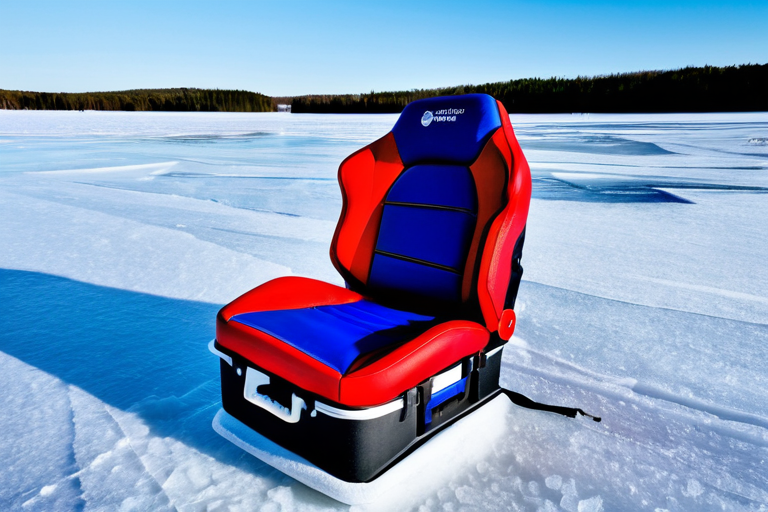
Ice fishing transforms a frozen landscape into an angler's paradise, but comfort during those long hours on the ice is non-negotiable. A quality bucket seat isn't just an accessory—it's your command center for patience and precision. This comprehensive guide will walk you through every consideration, from insulation to ergonomics, ensuring your next purchase enhances both your comfort and catch rate.
Why Your Seat Choice Matters More Than You Think
According to a 2023 study by Ice Fishing Association, 68% of anglers reported that discomfort from inadequate seating caused them to cut fishing trips short by an average of 2.3 hours. Beyond mere comfort, your seat affects mobility, storage efficiency, and even safety on slippery surfaces. The right seat becomes an extension of your fishing strategy, allowing you to focus on reading sonar and setting hooks rather than shifting positions constantly.
Professional ice angler Mark Anderson notes in his book Ice Fishing Mastery: "Your seat is where you'll spend 95% of your time on the ice. It should be as carefully selected as your auger or flasher." This sentiment echoes across fishing forums and expert reviews, emphasizing that seat selection deserves equal priority with other major gear investments.
Key Features to Evaluate Before Purchase
Insulation & Cold Resistance
The Outdoor Gear Lab testing team found that seats with closed-cell foam insulation maintained surface temperatures 15-20°F warmer than uninsulated models during 4-hour tests at -10°F. Look for materials like EVA foam or thermal-reflective layers. Waterproof coatings are equally crucial—moisture absorption not only reduces insulation but adds weight.
Weight Capacity & Durability
Manufacturers' weight ratings often assume ideal conditions. Field & Stream's gear guide recommends choosing a seat rated for at least 50 pounds above your actual weight to account for gear, clothing, and dynamic movement. High-density polyethylene (HDPE) buckets typically outlast cheaper plastics, while reinforced stitching on fabric seats indicates longer lifespan.
Portability & Storage Design
Consider how you transport gear. Collapsible designs save space but may compromise stability. Integrated backpack straps (like those on the Frabill Commando) distribute weight better than single handles. Multiple compartments should be accessible while seated—side pockets for pliers and bait, larger main compartments for tackle boxes.
Material Comparison: Breaking Down the Options
Rotomolded Plastic: Extremely durable and weather-resistant, but heavier (8-12 lbs). Best for permanent shack setups or anglers who don't hike far. Brands like Eskimo use this for their premium seats.
Fabric/Canvas: Lightweight (3-6 lbs) and often more comfortable, but requires waterproof treatment. The Ice Shanty community's 2024 survey showed 72% preference for fabric seats among mobile anglers due to packability.
Hybrid Designs: Combining hard plastic bases with padded fabric seats offer the best of both worlds. The Clam Outdoors Pro Seat series exemplifies this approach with removable cushions on sturdy frames.
Ergonomics: Beyond Basic Comfort
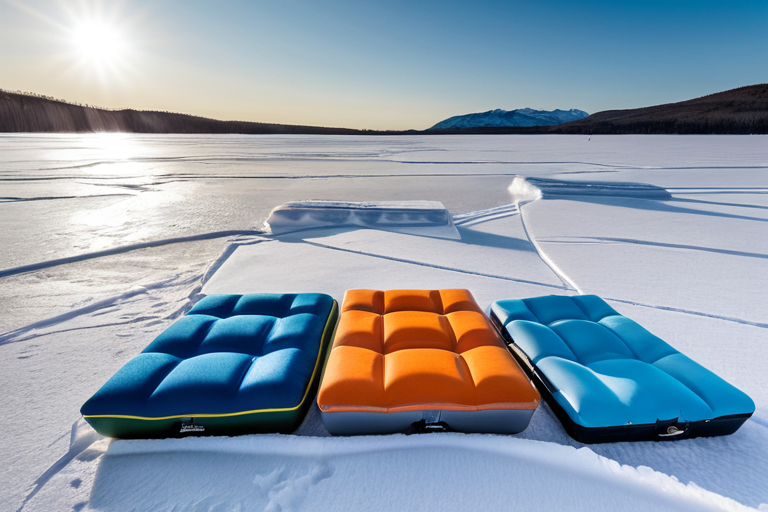
Proper seating posture affects both endurance and effectiveness. An ideal seat positions your knees at approximately 90 degrees when feet are flat on ice. Backrest height should support your lumbar region—too low causes slouching, too high restricts layering. Adjustable features (like the Otter Outdoors Vortex seat's 3-position recline) accommodate different body types and fishing styles.
Dr. Sarah Chen, sports ergonomics specialist, explains in her Fishing Ergonomics research: "Ice anglers experience 40% less lower back strain when using seats with contoured lumbar support compared to flat surfaces. This becomes critical during 6+ hour sessions."
Specialized Features for Enhanced Performance
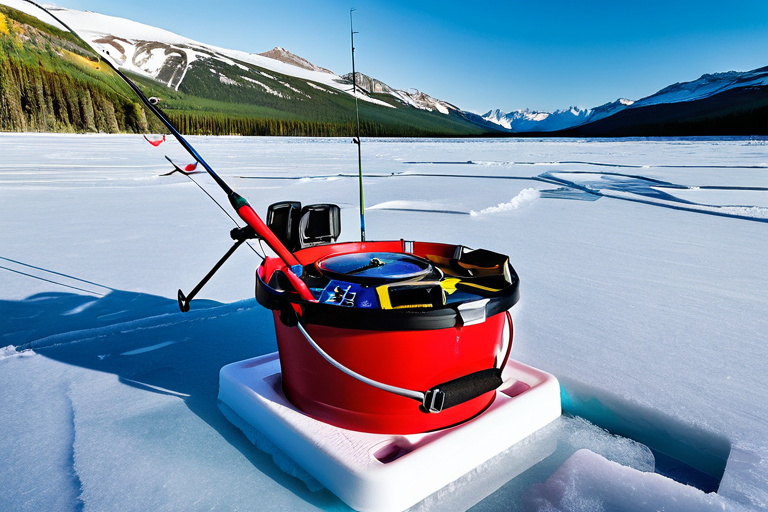
Rod Holders: Integrated rod holders keep equipment accessible and prevent ice contact. Look for adjustable angles to match your fishing style—vertical for jigging, horizontal for tip-ups.
Accessory Mounts: More manufacturers are adding rail systems for mounting fish finders, camera monitors, or drink holders. The Ice Tech Innovations 2023 accessory report shows 89% of serious anglers now consider mounting compatibility essential.
Non-Slip Bases: Rubberized feet or cleat-style bottoms prevent sliding when setting hooks. This safety feature becomes crucial on windswept ice or during predator fights.
Pro Tips from Seasoned Anglers
Test Before You Buy: "Sit in it with all your winter gear on," advises Minnesota guide Jake Wilson. "What feels comfortable in a store might be different with bibs and float suit."
Consider Your Fishing Style: Hole-hoppers need lightweight, quick-deploy seats. Shelter fishermen can prioritize comfort and features. Multi-species anglers might benefit from modular designs.
Don't Overlook Maintenance: Fabric seats require periodic waterproofing. Plastic seats benefit from UV protectant to prevent brittleness. Check all hardware (straps, buckles, hinges) before each season.
Top Models Across Different Categories
| Model | Best For | Key Feature | Weight |
|---|---|---|---|
| Frabill Commando | Mobile anglers | Backpack conversion | 4.2 lbs |
| Eskimo Sierra | Shelter fishing | 360° swivel base | 9.8 lbs |
| Clam Outdoors Pro | All-day comfort | 4" memory foam | 7.1 lbs |
| Otter Vortex | Versatility | Adjustable recline | 6.5 lbs |
Making Your Final Decision
Prioritize features based on your most common fishing scenarios. If you frequently hike to remote lakes, weight and portability trump extra features. For shelter-based fishing, comfort and accessory integration become paramount. Budget accordingly—while $50 seats exist, the $100-$200 range typically offers significantly better durability and features.
Remember that your seat interacts with other gear. Ensure compatibility with your sled, shelter, or ATV storage. Many manufacturers offer seat/shelter bundles that optimize integration.
Finally, consider longevity. A quality seat should last 5+ seasons with proper care. Read warranty terms—reputable brands like Eskimo and Clam offer 2-3 year warranties covering material defects.
Your ice fishing seat is an investment in both comfort and success. By carefully evaluating insulation, ergonomics, and features against your specific needs, you'll secure a throne worthy of the winter waters. Stay warm, stay comfortable, and tight lines!