Lake Erie Ice Fishing: A Winter Adventure on the Great Lakes
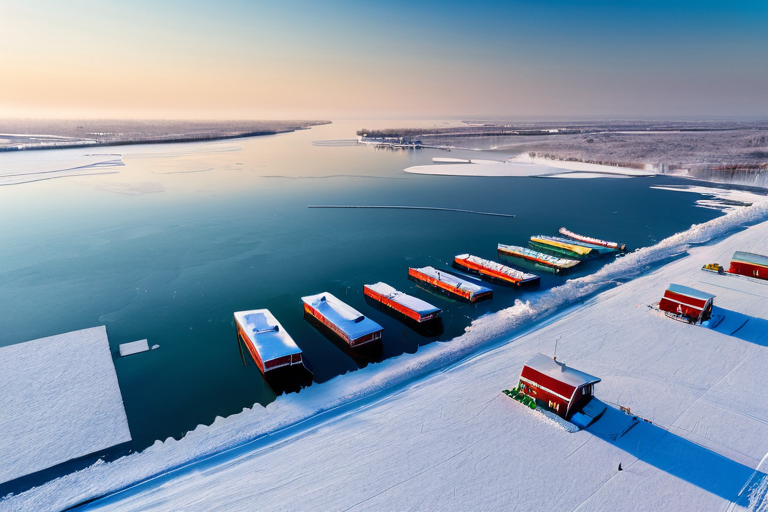
When winter's chill descends upon the Great Lakes region, a unique transformation occurs on the surface of Lake Erie. What was once a vast expanse of open water becomes a frozen playground for thousands of anglers seeking the thrill of ice fishing. This annual tradition combines adventure, skill, and the pursuit of some of North America's most prized freshwater fish species.
The Ice Fishing Phenomenon on Lake Erie
Lake Erie, the shallowest of the Great Lakes, freezes more consistently than its deeper counterparts, creating ideal conditions for ice fishing. According to data from the NOAA Great Lakes Environmental Research Laboratory, ice cover on Lake Erie typically reaches 80-90% during peak winter months, with thickness varying from 4 to 24 inches depending on location and weather patterns.
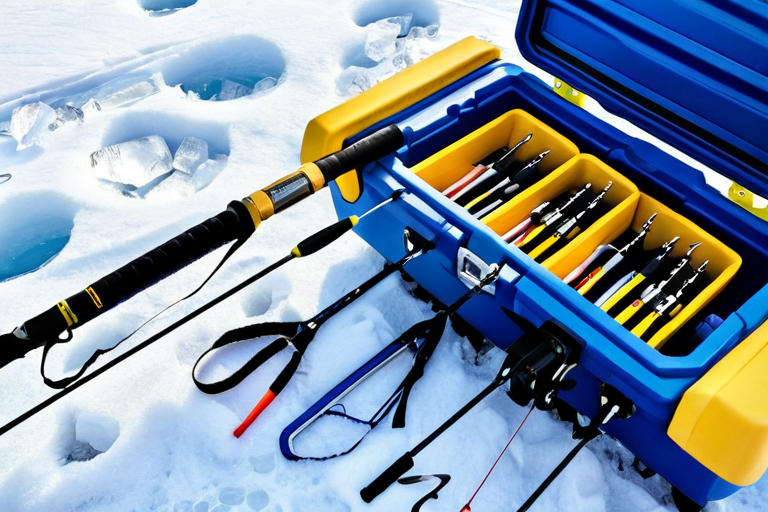
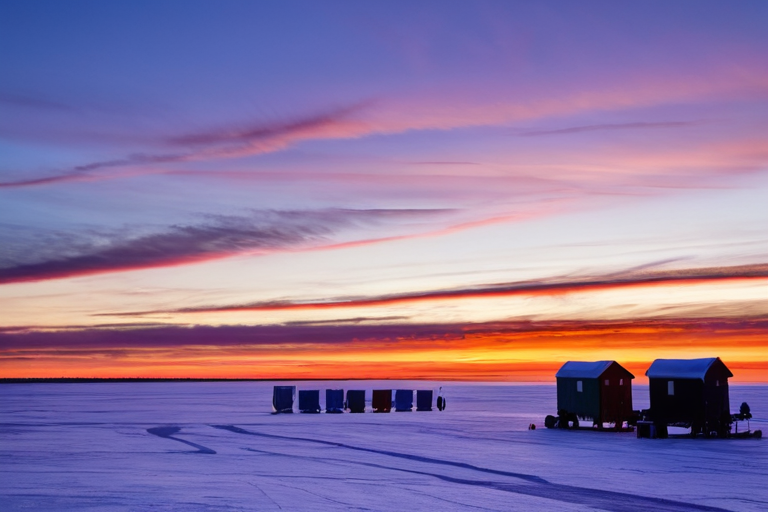
The lake's western basin, particularly around popular spots like South Bass Island, Kelleys Island, and the Maumee Bay area, becomes a temporary village of ice shanties each winter. The Ohio Department of Natural Resources reports that approximately 15,000-20,000 anglers participate in Lake Erie ice fishing annually, contributing significantly to local economies through equipment sales, lodging, and tourism.
Target Species and Fishing Techniques
Lake Erie's ice fishing success stems from its diverse and abundant fish populations. The primary targets include:
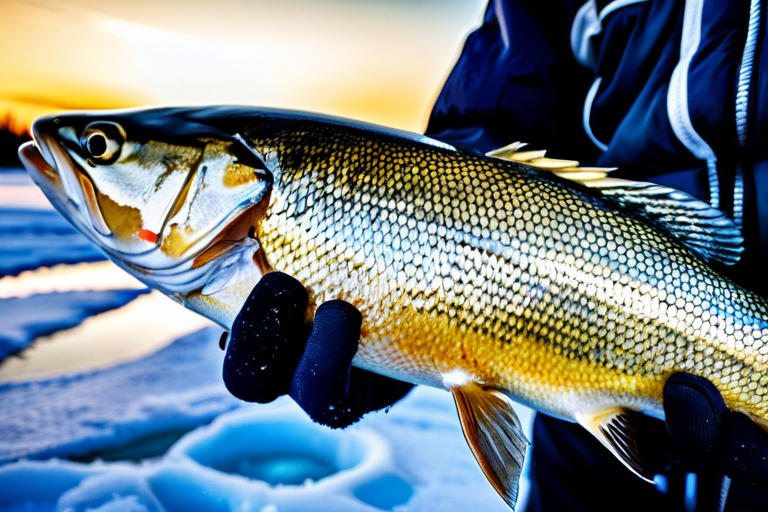
- Walleye: The most sought-after species, with the Ohio Division of Wildlife documenting catches averaging 2-5 pounds, though trophy fish exceeding 10 pounds are not uncommon.
- Yellow Perch: These schooling fish provide consistent action throughout the winter months.
- Steelhead Trout: Migratory rainbows that enter tributaries and near-shore areas during winter.
- Crappie and Bluegill: Popular panfish species found in protected bays and marinas.
Successful ice anglers employ various techniques, from traditional jigging with spoons and minnow-imitating lures to more modern approaches using underwater cameras and electronic fish finders. The Michigan Department of Natural Resources recommends using light to medium action rods with 4-8 pound test line for most Lake Erie ice fishing scenarios.
Safety Considerations and Best Practices
Ice fishing, while rewarding, requires careful attention to safety. The U.S. Coast Guard and state agencies emphasize several critical safety guidelines:
- Ice Thickness: Minimum of 4 inches for walking, 5-7 inches for snowmobiles or ATVs, and 8-12 inches for cars or small trucks.
- Safety Equipment: Always carry ice picks, a throw rope, and wear a personal flotation device under outer layers.
- Buddy System: Never fish alone on the ice.
- Weather Awareness: Monitor conditions closely, as wind and temperature changes can affect ice stability.
Experienced anglers recommend checking ice conditions with local bait shops or fishing reports before venturing out. The National Weather Service provides specialized ice forecasts for the Great Lakes region during winter months.
Equipment Essentials for Lake Erie Ice Fishing
Proper equipment makes the difference between a comfortable, productive day and a challenging experience. Essential gear includes:
- Ice Auger: Hand-powered, gas, or electric models for drilling holes through the ice.
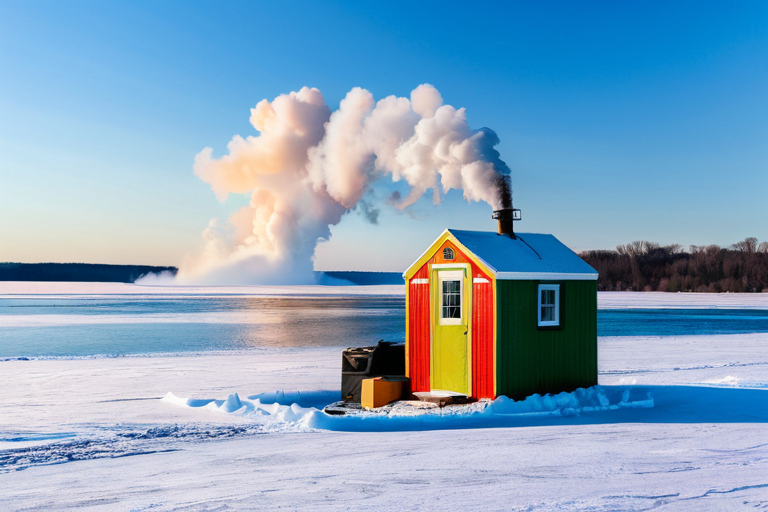
- Shelter: Portable ice shanties or pop-up shelters provide protection from wind and cold.
- Heating: Portable propane heaters maintain comfortable temperatures inside shelters.
- Electronics: Fish finders and underwater cameras help locate fish and monitor activity.
- Specialized Clothing: Insulated, waterproof boots, layered clothing, and ice cleats for traction.
According to industry surveys published by The American Sportfishing Association, ice fishing equipment sales have grown approximately 15% annually over the past five years, reflecting the sport's increasing popularity.
Regulations and Conservation
Lake Erie ice fishing operates under specific regulations designed to maintain sustainable fish populations. These vary by jurisdiction (Ohio, Michigan, Pennsylvania, New York, and Ontario) but generally include:
- Daily bag limits for each species
- Size restrictions for certain fish
- Season dates (typically December through March, depending on ice conditions)
- License requirements for anglers 16 and older
The U.S. Fish and Wildlife Service collaborates with state agencies on monitoring programs that ensure Lake Erie's fishery remains healthy despite fishing pressure. Recent data suggests that walleye populations in Lake Erie have remained stable or increased over the past decade, thanks to effective management practices.
Economic Impact and Community Aspects
Lake Erie ice fishing generates significant economic activity throughout the region. A study conducted by researchers at The Ohio State University estimated that winter fishing contributes approximately $50-75 million annually to local economies through direct and indirect spending.
Beyond economics, ice fishing fosters community connections. Annual events like the Put-in-Bay Ice Fishing Derby and various charity tournaments bring together anglers of all skill levels while supporting local causes. These gatherings often feature equipment demonstrations, safety seminars, and family-friendly activities that introduce newcomers to the sport.
The Future of Lake Erie Ice Fishing
Climate change presents both challenges and opportunities for Lake Erie ice fishing. While warmer winters may reduce ice cover duration, research from the NOAA Climate.gov suggests that Lake Erie will likely maintain sufficient ice for fishing through mid-century, though the season may become more variable.
Technological advancements continue to transform the sport. Innovations in portable shelters, heating systems, and fish-finding technology make ice fishing more accessible and comfortable than ever before. Meanwhile, conservation efforts led by organizations like the Lake Erie Foundation work to protect water quality and habitat, ensuring future generations can enjoy this unique winter tradition.
Whether you're a seasoned angler or considering your first ice fishing adventure, Lake Erie offers an unforgettable experience. The combination of abundant fish, stunning winter landscapes, and the camaraderie of fellow anglers creates memories that last long after the ice melts. As one veteran ice fisherman remarked, "There's nothing quite like watching the sunrise over frozen Lake Erie, waiting for that first bite of the day."