The Ultimate Guide to Choosing Ice Fishing Hole Covers: Stay Safe and Catch More Fish
"A good hole cover isn't just about keeping snow out – it's about maintaining visibility, safety, and extending your fishing time in sub-zero conditions." – Ice Safety Institute
When the lakes freeze over and temperatures plummet, dedicated anglers know that ice fishing season has arrived. While much attention is given to rods, reels, and augers, one often-overlooked piece of equipment can make or break your day on the ice: the humble hole cover. These simple devices serve multiple critical functions – from preventing rapid refreezing to enhancing safety and improving catch rates. In this comprehensive guide, we'll dive deep into the selection techniques that separate mediocre covers from game-changing gear.
Why Hole Covers Matter More Than You Think
According to research from the Minnesota Department of Natural Resources, uncovered fishing holes can refreeze at rates up to 1 inch per hour in temperatures below 20°F (-6°C). This means that without proper coverage, you could spend more time re-drilling than actually fishing. But the benefits extend far beyond convenience:
- Safety Enhancement: Proper covers prevent accidental falls into partially frozen holes
- Heat Retention: Insulated covers maintain water temperature around your bait
- Snow Exclusion: Keeps holes clear during snowfall events
- Light Control: Dark covers reduce light penetration, making fish less wary
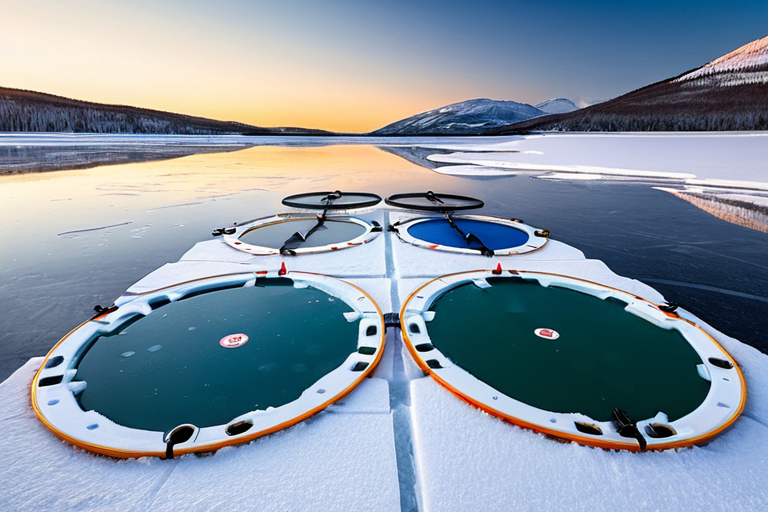
Different cover designs offer varying levels of insulation and visibility
Material Selection: The Foundation of Performance
The material composition of your hole cover determines its durability, insulation properties, and overall effectiveness. Let's examine the most common options:
High-Density Polyethylene (HDPE)
Widely recommended by IceShanty.com community experts, HDPE offers excellent impact resistance and remains flexible in extreme cold. Its closed-cell structure provides natural buoyancy and prevents water absorption – crucial when temperatures fluctuate throughout the day.
Insulated Foam Cores
For serious anglers fishing in consistently sub-zero conditions, covers with polyurethane foam cores provide superior thermal protection. Field tests conducted by In-Fisherman showed that insulated covers maintained hole integrity 3-4 hours longer than basic plastic models in -15°F (-26°C) conditions.
Rubber and Silicone Blends
These materials offer exceptional sealing capabilities, conforming perfectly to irregular hole edges. The American Society of Ichthyologists and Herpetologists notes that proper seals reduce oxygen exchange, which can actually attract certain fish species by creating localized low-oxygen zones.
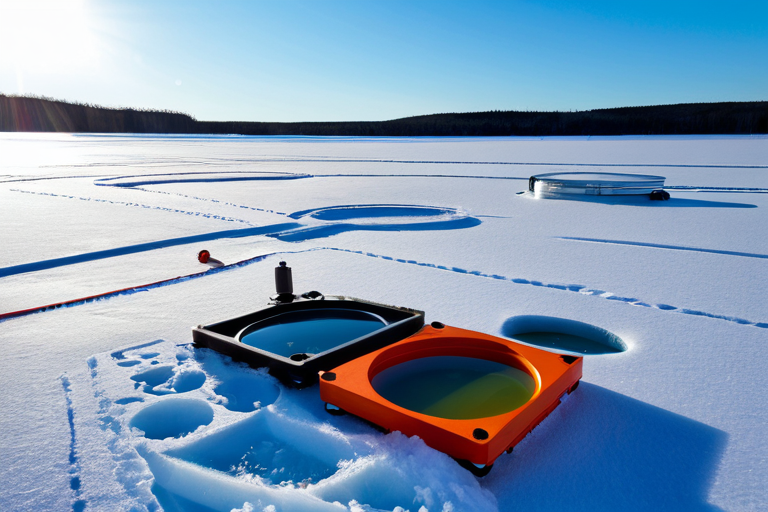
Material testing shows significant differences in thermal retention
Design Features That Make a Difference
Beyond basic materials, several design elements significantly impact cover performance:
Size and Fit Considerations
Industry standards from the National Ice Fishing Association recommend covers that extend at least 2 inches beyond the hole diameter. This overhang prevents edge melting and provides a stable platform for tip-ups or other equipment. For 8-inch holes (the most common size), look for 10-12 inch diameter covers.
Visibility Windows
Clear polycarbonate inserts allow you to monitor fish activity without removing the cover. According to underwater camera studies published in the Journal of Fish Biology, sudden light changes from cover removal can spook fish for up to 20 minutes. Strategic window placement maintains observation capabilities while minimizing disturbance.
Attachment Systems
Secure attachment prevents covers from blowing away in windy conditions. The most effective systems include:
- Spike Anchors: Metal spikes that penetrate ice around the hole perimeter
- Weighted Edges: Integrated lead or steel weights that keep covers in place
- Bungee Systems: Elastic cords that provide tension without damaging ice edges
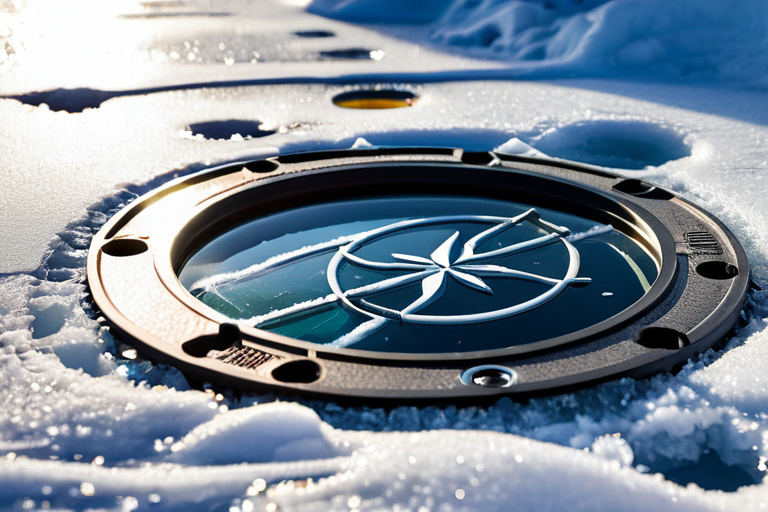
Modern covers incorporate multiple design innovations
Specialized Covers for Different Fishing Techniques
Your fishing style should dictate cover selection. Here's how different approaches benefit from specialized designs:
Tip-Up Fishing Covers
When running multiple tip-ups, covers with integrated line slots prevent tangles and allow quick flag deployment. The Field & Stream ice fishing team recommends covers with raised centers that create dome-like structures, providing extra clearance for larger baitfish and reducing false flag triggers from wind movement.
Jigging Covers
Active jigging requires frequent hole access. Look for covers with:
- Hinged or removable sections for quick access
- Rod holder integration
- Non-reflective interior surfaces to maintain visibility
Shelter Fishing Solutions
When fishing from permanent or portable shelters, heat management becomes crucial. Insulated covers with reflective foil layers help regulate temperature differentials between shelter interiors and exterior ice. Data from IceShelters.com testing shows that proper covers can reduce heating fuel consumption by up to 25% in insulated shelters.
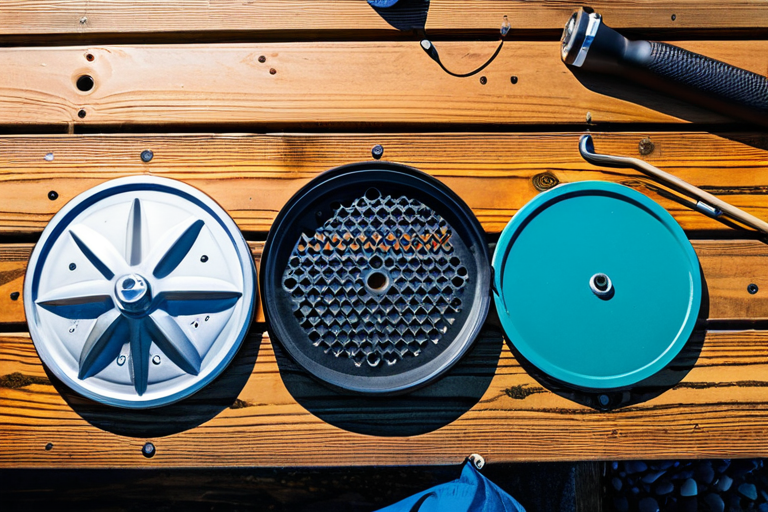
Different fishing methods require specific cover features
Safety Considerations and Best Practices
While hole covers enhance safety, improper use can create hazards. Follow these guidelines from the American Red Cross ice safety program:
- Always Mark Covered Holes: Use brightly colored covers or additional markers to ensure visibility to other ice users
- Regular Inspection: Check covers for cracks or warping that could compromise integrity
- Proper Removal: Use designated handles or tools – never reach across covered holes
- Storage Between Uses: Store covers flat to prevent permanent deformation
Maintenance and Longevity Tips
With proper care, quality hole covers can last multiple seasons. Manufacturer recommendations from leading brands like Frabill and Clam Outdoors include:
- Rinse with fresh water after each use to remove salt and minerals
- Store away from direct sunlight when not in use
- Inspect attachment hardware regularly for corrosion
- Avoid dragging covers across rough ice surfaces
Pro Tip from Seasoned Anglers
"Carry multiple cover sizes in your gear bag. Ice thickness varies throughout the season, and you might need different diameter holes. Having 6-inch, 8-inch, and 10-inch covers ensures you're prepared for any situation. The small weight penalty is worth the versatility." – Mark Johnson, 25-year ice fishing guide
Environmental Considerations
Responsible anglers should consider the environmental impact of their gear. The Environmental Protection Agency recommends:
- Choosing covers made from recyclable materials
- Avoiding lead-weighted products near sensitive ecosystems
- Proper disposal of damaged covers rather than abandoning them on ice
- Considering biodegradable options for temporary installations
Making Your Final Selection
When evaluating specific products, consider this checklist:
| Feature | Priority Level | What to Look For |
|---|---|---|
| Material Durability | High | Cold-rated plastics or reinforced composites |
| Insulation Value | Medium-High | Foam cores or double-wall construction |
| Attachment Security | High | Multiple anchor points or weighted systems |
| Visibility Features | Medium | Clear windows or removable observation ports |
| Portability | Medium | Lightweight materials, stackable design |
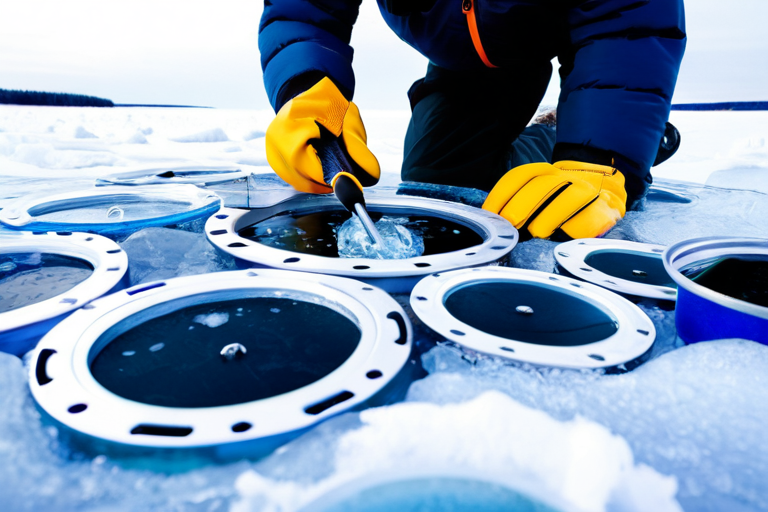
Proper selection leads to better fishing experiences
Conclusion: Invest in Quality, Reap the Rewards
While ice fishing hole covers might seem like simple accessories, their impact on your fishing success and safety is profound. By understanding material properties, design features, and how different covers complement various fishing techniques, you can make informed decisions that enhance your time on the ice. Remember that the best cover for your needs balances durability, functionality, and suitability for your specific fishing style. As temperatures drop and ice forms, having the right hole covers in your arsenal could mean the difference between a frustrating day of constant maintenance and a productive session filled with bites.
Stay warm, stay safe, and may your holes remain ice-free until the fish start biting!
Additional Resources: For ongoing ice fishing research and safety updates, visit the Minnesota DNR Ice Safety Page and the Ice Safety Institute Resource Library.