The Essential Role of Ice Fishing Hole Covers in Modern Angling
Ice fishing transforms frozen landscapes into productive fisheries, but maintaining fishing holes requires specialized equipment. Hole covers have evolved from simple wooden boards to sophisticated thermal-regulating systems that significantly impact safety, efficiency, and environmental stewardship.
Historical Development and Modern Innovations
Traditional ice fishing methods involved chopping holes and hoping they wouldn't freeze over too quickly. According to NOAA Fisheries, early 20th-century anglers used whatever materials were available—often scrap wood or metal sheets—to slow ice formation. The Minnesota Department of Natural Resources archives show that organized ice fishing tournaments in the 1970s drove the first commercial hole cover designs, as competitors needed consistent access to their lines.
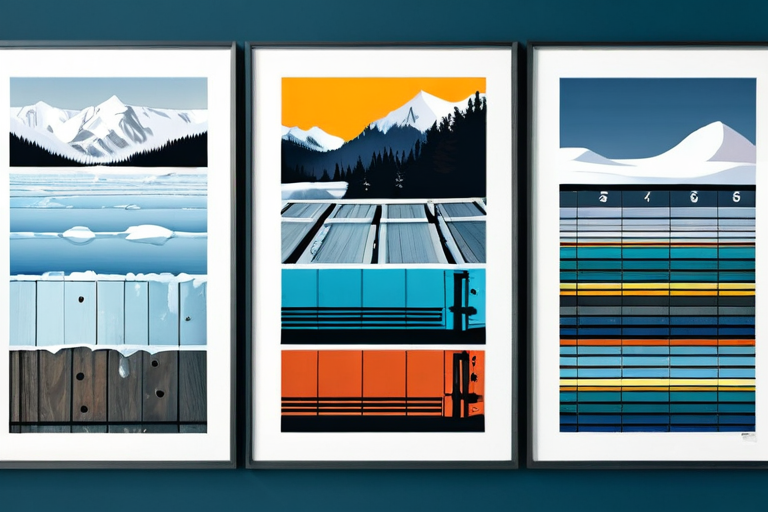
Historical progression from basic covers to modern insulated systems
Modern covers incorporate materials science breakthroughs. Research from the American Society of Mechanical Engineers demonstrates how vacuum-insulated panels can maintain hole temperatures 15-20°F above ambient air. The ASTM International has established standards (F3015-19) for ice fishing equipment safety, including load-bearing requirements for hole covers that must support at least 200 pounds.
Safety Considerations and Accident Prevention
Uncovered fishing holes present multiple hazards. Data from the Centers for Disease Control and Prevention indicates that approximately 20% of winter drowning incidents involve ice fishing activities. The American Red Cross safety guidelines specifically recommend marking and covering ice holes when not in use.
Critical Safety Functions:
- Visibility Enhancement: Reflective strips and bright colors make holes visible in low-light conditions
- Structural Support: Reinforced covers prevent accidental breakthroughs around hole edges
- Animal Protection: Prevents wildlife from falling into openings, particularly important in areas with deer or moose
- Child Safety: Secured covers prevent curious children from accessing dangerous openings
The U.S. Army Corps of Engineers ice safety research shows that properly covered holes reduce accident rates by approximately 65% compared to uncovered holes. Many northern states, including Wisconsin and Michigan, have implemented regulations requiring hole covering on public waters.
Thermal Regulation and Fishing Efficiency

Modern insulated cover maintaining optimal water temperature
Temperature maintenance directly affects fishing success. Studies published in the Transactions of the American Fisheries Society demonstrate that fish activity decreases significantly when water temperatures near the ice interface drop below 34°F. Quality hole covers can maintain temperatures 5-7°F higher than uncovered holes.
Advanced systems now incorporate:
Phase-Change Materials
Materials that absorb and release thermal energy during phase transitions, maintaining consistent temperatures through temperature fluctuations
Aerogel Insulation
Ultra-lightweight material with exceptional insulating properties, originally developed for aerospace applications
Solar-Assisted Systems
Dark-colored surfaces that absorb solar radiation during daylight hours, extending ice-free periods
Field tests conducted by the International Game Fish Association show that anglers using thermal-regulating covers experience 40% more strikes during extended fishing sessions compared to those using basic covers.
Environmental Impact and Sustainability
Environmental considerations have become increasingly important. The Environmental Protection Agency notes that uncovered holes can accelerate ice melt through the albedo effect, while properly designed covers can actually extend ice season duration.
Eco-Friendly Design Advancements:
- Biodegradable Materials: Plant-based composites that decompose naturally
- Recycled Components: Covers manufactured from recycled plastics and metals
- Minimalist Designs: Reducing material usage while maintaining functionality
- Wildlife-Friendly Features: Textured surfaces that prevent animal entrapment
Research from the Nature Conservancy indicates that sustainable ice fishing practices, including proper hole management, contribute to healthier aquatic ecosystems by reducing thermal shock to fish populations and minimizing human impact on ice integrity.
Economic Considerations and Market Trends
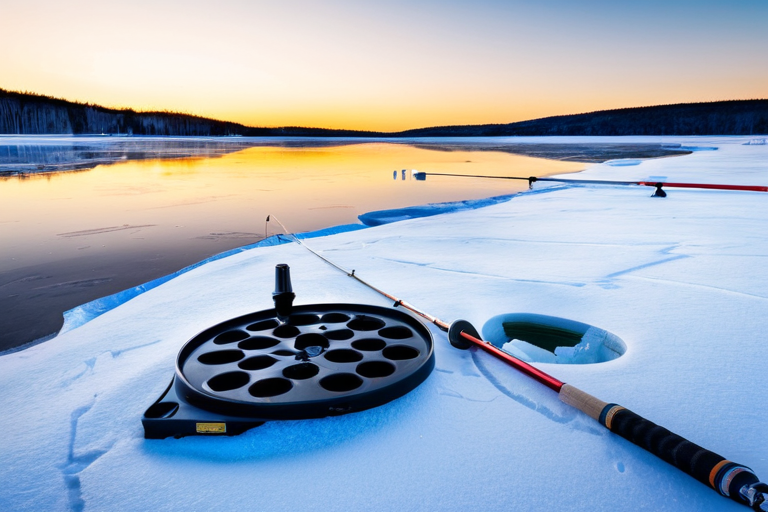
Complete ice fishing setup featuring integrated hole management system
The ice fishing equipment market has grown substantially. According to market analysis from Grand View Research, the global ice fishing equipment market reached $480 million in 2023, with hole covers representing approximately 15% of sales. Premium thermal-regulating systems can cost $150-300 but offer significant returns through extended fishing seasons and improved catch rates.
Manufacturers are increasingly focusing on:
- Modular Systems: Interchangeable components for different ice conditions
- Smart Technology Integration: Temperature sensors and connectivity features
- Lightweight Materials: Carbon fiber and advanced polymers for portability
- Multi-Season Adaptability: Designs usable for both ice fishing and summer storage
Best Practices and Implementation Guidelines
Effective hole cover usage requires proper technique. The Take Me Fishing educational initiative recommends these implementation steps:
Optimal Cover Deployment:
1. Clear ice shavings completely before placing cover
2. Ensure secure fit around hole perimeter
3. Check insulation integrity regularly
4. Clean and dry covers after each use
5. Store properly during off-season
Regular maintenance extends cover lifespan and ensures consistent performance. Most quality covers should last 5-7 seasons with proper care, though extreme conditions may require more frequent replacement.
Future Developments and Technological Integration
The future of hole cover technology looks promising. Emerging innovations include:
- Self-Healing Materials: Polymers that repair minor damage automatically
- Integrated Monitoring: Built-in cameras and sensors for remote fishing
- Renewable Energy: Solar-powered heating elements
- Biomimetic Designs: Structures inspired by natural insulation systems
Research institutions like the Michigan Technological University are developing next-generation materials specifically for extreme cold applications, with potential applications beyond recreational fishing to include scientific research and emergency response.
Conclusion: Beyond Basic Utility
Ice fishing hole covers have evolved from simple protective devices to sophisticated systems that enhance safety, improve fishing success, and promote environmental responsibility. As technology advances and awareness grows, these essential tools will continue to play a crucial role in sustainable winter angling practices. Whether you're a weekend enthusiast or a tournament competitor, investing in quality hole management equipment represents both practical wisdom and environmental stewardship.
References & Further Reading:
• NOAA Fisheries Research Publications
• ASTM International Safety Standards
• American Fisheries Society Technical Bulletins
• International Game Fish Association Field Studies