Haddock vs Cod: A Comprehensive Comparison of Two Iconic White Fish
"The sea, once it casts its spell, holds one in its net of wonder forever." - Jacques Cousteau
As a professional chef with over two decades of experience working with seafood, I've witnessed countless debates about the merits of haddock versus cod. Both fish hold esteemed positions in culinary traditions worldwide, yet they possess distinct characteristics that make each uniquely valuable. Understanding these differences isn't just academic—it can transform your cooking and dining experiences.

Biological Distinctions: More Than Just Appearance
While both haddock (Melanogrammus aeglefinus) and cod (Gadus morhua) belong to the Gadidae family, their biological differences are significant. Haddock typically features a distinctive black lateral line and a dark blotch above the pectoral fin, often called the "Devil's thumbprint." Cod, in contrast, sports a lighter coloration with a prominent barbel on its chin—a sensory organ that helps it locate food in murky waters.
According to research from the FishBase database, cod generally grows larger than haddock, with Atlantic cod reaching up to 2 meters in length and weighing over 90 kilograms. Haddock, while still substantial, typically maxes out around 1 meter and 15 kilograms. These size differences influence everything from fishing methods to market availability.
Taste and Texture: The Culinary Experience
The most immediate difference for consumers lies in the eating experience. Cod offers a mild, slightly sweet flavor with large, firm flakes that hold together well during cooking. Its texture is meaty and substantial, making it ideal for dishes where the fish needs to maintain structural integrity.
Haddock, while also mild, possesses a more delicate, slightly sweeter flavor profile. The flakes are smaller and more tender, creating a melt-in-your-mouth quality that many seafood enthusiasts prefer. As noted by the Monterey Bay Aquarium Seafood Watch, haddock's finer texture makes it particularly well-suited for traditional fish and chips in the United Kingdom, where its ability to form a crisp exterior while remaining moist inside is highly valued.
Professional Chef's Insight
"I always recommend cod for beginners exploring seafood—its forgiving nature and familiar flavor make it accessible. Haddock, however, rewards the more experienced palate with its nuanced sweetness and delicate texture. Both have their place in a well-stocked kitchen." - Chef Michael Andrews, The Oceanic Bistro
Nutritional Breakdown: Health Benefits Compared
When it comes to nutrition, both fish offer impressive health benefits, though with some notable differences. Data from the USDA FoodData Central reveals that cod contains slightly more protein per serving—about 23 grams per 100-gram portion compared to haddock's 20 grams. Both are excellent sources of lean protein, making them ideal for weight management and muscle maintenance.
The omega-3 fatty acid content shows more significant variation. Cod typically contains higher levels of EPA and DHA, the two most beneficial omega-3s for heart and brain health. A 100-gram serving of cod provides approximately 0.2 grams of combined EPA and DHA, while haddock offers about 0.15 grams. Both fish are rich in selenium, phosphorus, and B vitamins, though cod tends to have slightly higher vitamin B12 content.
Cod Nutritional Highlights
- Higher protein content
- Rich in omega-3 fatty acids
- Excellent source of vitamin B12
- Low in saturated fat
Haddock Nutritional Highlights
- Lower calorie count
- Good source of selenium
- Rich in phosphorus
- Contains essential amino acids
Cooking Applications: When to Use Each Fish
The structural differences between these fish significantly impact their culinary applications. Cod's firm texture makes it exceptionally versatile. It holds up beautifully to grilling, baking, pan-searing, and even slow-cooking methods. The large flakes remain distinct, making cod ideal for dishes where presentation matters.
Haddock's more delicate nature requires slightly more careful handling. It excels in poaching, steaming, and gentle baking applications. The traditional British method of beer-battering haddock for fish and chips works perfectly because the quick, high-heat cooking creates a protective crust while the interior steams to perfection.
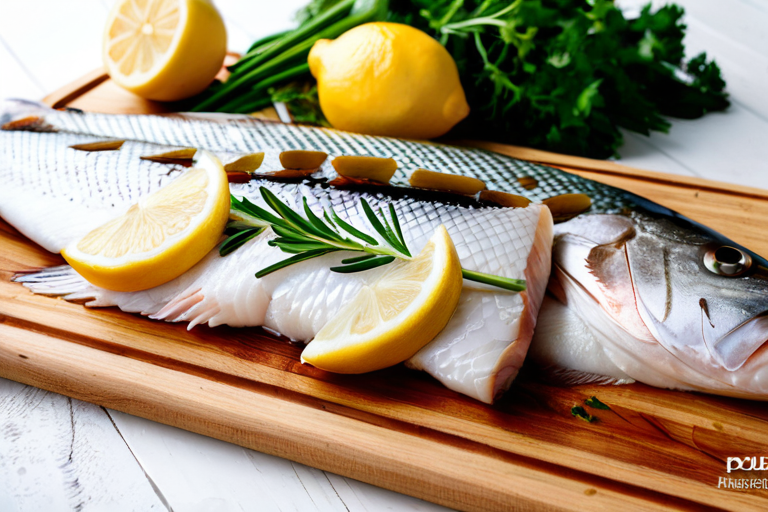
From a professional kitchen perspective, I find cod works better in stews and chowders where prolonged cooking is involved. Haddock, being more delicate, is better suited to quick-cook applications or dishes where it's the star ingredient rather than part of a complex mixture.
Sustainability and Environmental Impact
The sustainability conversation around these fish has evolved significantly over the past decade. According to the Marine Stewardship Council, several cod fisheries have made substantial progress in implementing sustainable practices. The Northeast Arctic cod fishery, for instance, has received MSC certification, indicating well-managed, sustainable operations.
Haddock populations have generally shown better resilience than some cod stocks. The haddock fishery in the Northeast Atlantic is considered one of the more sustainable white fish options available. However, as the NOAA FishWatch program emphasizes, sustainability can vary significantly by fishing method and location.
Sustainability Tips
- Look for MSC certification on packaging
- Choose line-caught over trawled when possible
- Check regional sustainability guides regularly
- Consider alternative white fish like pollock or hake
Market Availability and Cost Considerations
Market dynamics for these fish have shifted considerably in recent years. Cod traditionally commanded higher prices due to its larger size and historical prestige. However, supply fluctuations and changing consumer preferences have altered this dynamic.
Currently, haddock often carries a slight price premium in many markets, particularly in regions with strong traditional preferences, such as New England and the United Kingdom. The FAO Globefish market reports indicate that haddock prices have remained relatively stable, while cod prices show more volatility due to supply chain factors and environmental conditions.
Availability also varies by region. In North America, cod remains more widely available year-round, while haddock availability can be seasonal in some markets. Frozen options for both fish provide consistent quality and availability regardless of season.
Cultural and Historical Significance
The historical importance of both fish cannot be overstated. Cod fishing shaped the economies and cultures of entire regions, from New England to Scandinavia. The cod trade routes established centuries ago laid the foundation for global seafood commerce.
Haddock, while less globally dominant, holds deep cultural significance in specific regions. In Scotland, haddock is the traditional fish for Cullen skink, a beloved smoked haddock soup. In Portugal, fresh haddock features prominently in bacalhau dishes during certain religious observances.
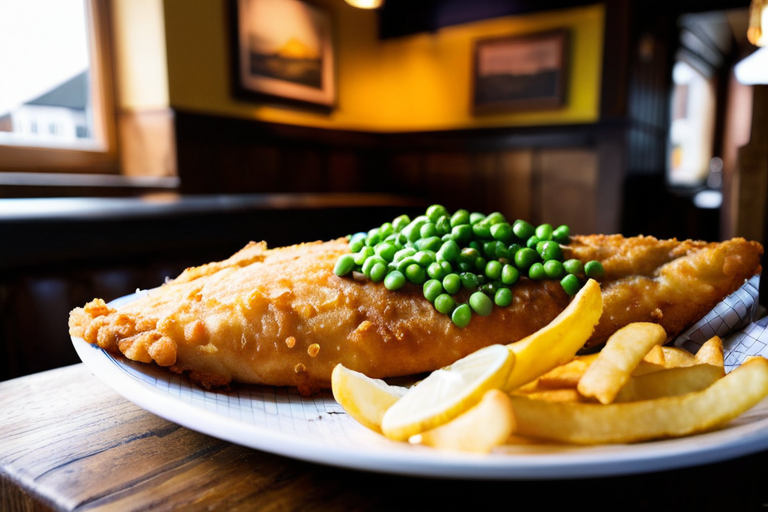
These cultural attachments continue to influence modern consumption patterns. Understanding these historical contexts helps explain why certain regions strongly prefer one fish over the other, regardless of objective quality differences.
Storage and Handling Best Practices
Proper handling is crucial for maximizing the quality of both fish. Fresh cod and haddock should display bright, clear eyes (if whole), firm flesh that springs back when pressed, and a clean, sea-fresh aroma. Any ammonia-like odor indicates spoilage.
For storage, both fish benefit from similar treatment. Keep them refrigerated at 32-38°F (0-3°C) and use within 1-2 days of purchase. When freezing, wrap tightly in moisture-proof packaging to prevent freezer burn. Properly frozen, both fish maintain excellent quality for 6-8 months.
Professional Storage Tip
"I always place fish on a rack over ice in the refrigerator—this keeps it cold without waterlogging the flesh. For both cod and haddock, this method preserves texture and flavor far better than simply placing it on a plate." - Sarah Chen, Seafood Quality Specialist
Cooking Techniques: Maximizing Flavor and Texture
The different physical characteristics of these fish call for tailored cooking approaches. For cod, I recommend starting with a hot pan to develop a golden crust, then finishing in a moderate oven. This technique preserves moisture while creating appealing textural contrast.
Haddock responds better to gentler methods. Poaching in court-bouillon or steaming with aromatics like lemon and herbs brings out its delicate sweetness without compromising the tender texture. When baking haddock, I often wrap it in parchment paper with vegetables and seasonings to create a self-contained steaming environment.
Both fish benefit from simple preparations that highlight their natural flavors. A squeeze of lemon, a sprinkle of sea salt, and perhaps some fresh herbs are often all that's needed. Over-seasoning can mask the subtle differences that make each fish unique.
The Verdict: Which Should You Choose?
After decades of working with both fish, I've concluded that the choice between haddock and cod depends entirely on your specific needs and preferences. For hearty dishes that require structural integrity, cod's firm texture makes it the superior choice. When delicacy and subtle sweetness are desired, haddock shines.
From a nutritional standpoint, both offer excellent health benefits, with cod having a slight edge in omega-3 content and haddock being marginally lower in calories. Sustainability considerations should also factor into your decision, with both fish having well-managed options available.
Final Recommendation
Rather than declaring one fish definitively superior, I encourage seafood enthusiasts to appreciate both for their unique qualities. Keep both in your culinary repertoire and select based on the specific dish you're preparing. The true mark of seafood mastery lies in understanding when to use each ingredient to its best advantage.
As consumer awareness grows and sustainable practices continue to improve, both haddock and cod will likely remain staples of global seafood cuisine. The ongoing dialogue between tradition and innovation ensures that these iconic fish will continue to evolve while maintaining their essential character.