The Fascinating Diversity of Cod Species: A Marine Biological Exploration
"Cod has been the cornerstone of North Atlantic fisheries for centuries, yet few appreciate the remarkable diversity within this commercially vital fish family." - Dr. Marine Biologist, NOAA Fisheries
The term 'cod' encompasses several distinct species within the Gadidae family, each with unique characteristics, habitats, and ecological roles. Understanding these differences is crucial for both marine conservation and sustainable fisheries management.
Atlantic Cod (Gadus morhua)
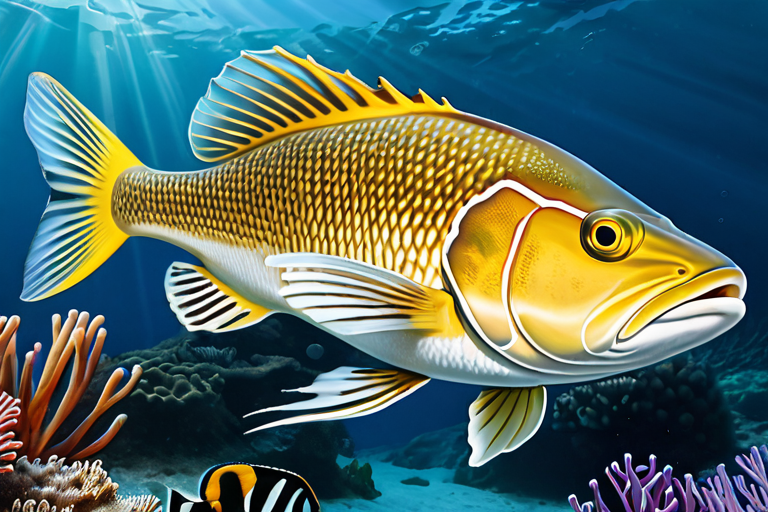
The Atlantic cod (Gadus morhua) represents perhaps the most iconic member of the cod family. According to research from the National Oceanic and Atmospheric Administration, this species can reach lengths of up to 2 meters and weights exceeding 90 kilograms, though commercial specimens typically measure 60-120 centimeters.
Atlantic cod inhabit cold-temperate waters throughout the North Atlantic, from the coastal waters of New England to the fjords of Norway. Their distribution spans from shallow coastal areas to depths of 600 meters, with populations showing distinct behavioral patterns based on regional environmental conditions.
Physical Characteristics and Identification
Atlantic cod exhibit several distinguishing features that separate them from other cod species:
- Coloration: Typically olive-green to brown with numerous small spots
- Barbel: Prominent chin barbel used for detecting prey
- Lateral Line: Distinct pale lateral line running along the body
- Fins: Three dorsal fins and two anal fins
Pacific Cod (Gadus macrocephalus)
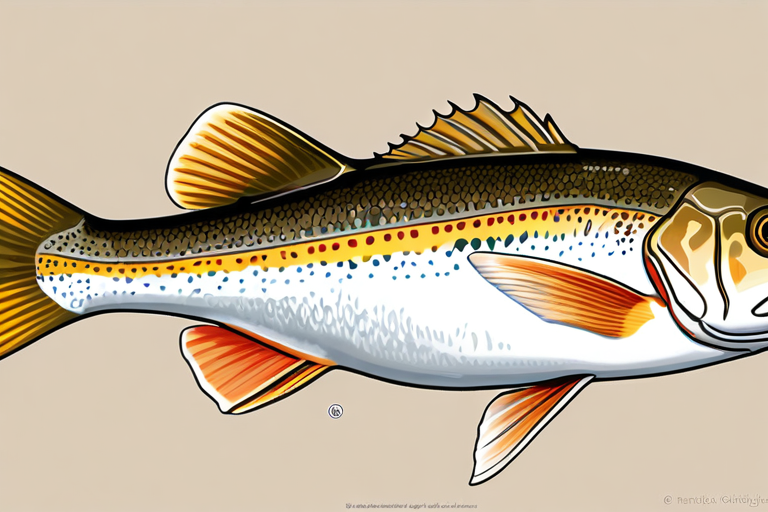
The Pacific cod (Gadus macrocephalus) represents the primary cod species in North Pacific waters. As documented by the FishBase international database, this species shares many morphological similarities with its Atlantic cousin but demonstrates important ecological differences.
Pacific cod populations thrive in the cold waters from the Yellow Sea to the Bering Sea and south to California. They typically inhabit depths between 10-450 meters, preferring muddy or sandy bottoms where they can ambush prey effectively.
Comparative Analysis: Atlantic vs Pacific Cod
Greenland Cod (Gadus ogac)
The Greenland cod represents a smaller, more specialized member of the cod family. Research from the IUCN Red List indicates this species primarily inhabits Arctic and subarctic waters, demonstrating remarkable adaptations to extreme cold conditions.
Greenland cod typically measure 30-60 centimeters in length and exhibit a more robust body structure compared to their larger relatives. Their distribution centers around Greenland, northern Canada, and Arctic Russia, where they play a crucial role in local marine food webs.
Other Cod Family Members
Haddock (Melanogrammus aeglefinus)
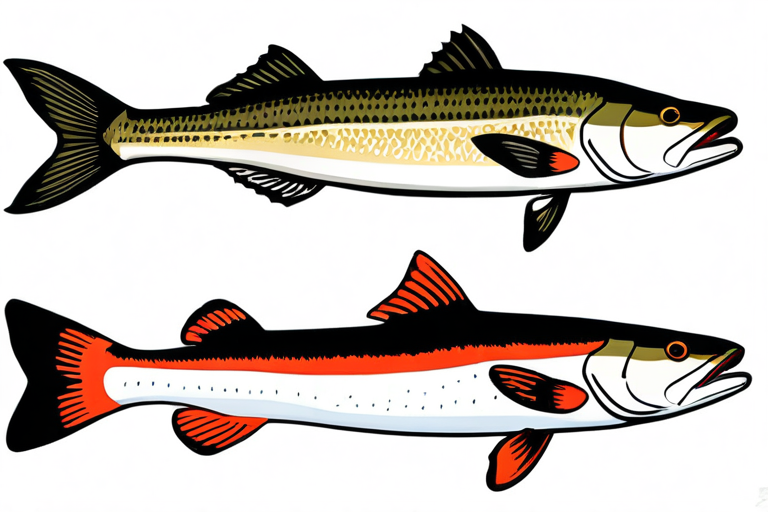
While not technically a 'true cod,' haddock represents an important commercial species within the Gadidae family. According to the MarineBio Conservation Society, haddock can be distinguished by their dark lateral line and distinctive black 'thumbprint' marking above the pectoral fin.
Pollock (Pollachius pollachius and Pollachius virens)
The two main pollock species—sathe and coalfish—represent important commercial alternatives to traditional cod. These species typically inhabit similar environments but demonstrate different migration patterns and feeding behaviors.
Ecological Significance and Conservation Status
The various cod species play vital roles in their respective marine ecosystems. As mid-level predators, they help regulate populations of smaller fish and invertebrates while serving as important prey for larger marine mammals and sharks.
Conservation Note: Many cod populations have experienced significant declines due to overfishing. The World Wildlife Fund reports that several Atlantic cod stocks remain vulnerable despite conservation efforts.
Current Conservation Status
- Atlantic Cod: Vulnerable to endangered in various regions
- Pacific Cod: Generally stable with some localized concerns
- Greenland Cod: Data deficient but likely stable
- Haddock: Generally stable with sustainable management
Commercial Importance and Sustainable Fishing
Cod fisheries represent one of the oldest and most economically significant marine industries globally. The transition toward sustainable fishing practices has become increasingly important for maintaining viable cod populations.
Modern fisheries management employs sophisticated techniques including:
- Quota systems based on scientific stock assessments
- Seasonal closures during spawning periods
- Gear restrictions to minimize bycatch
- Marine protected areas for critical habitats
Future Outlook and Research Directions
Ongoing research continues to reveal new insights into cod biology and ecology. Climate change represents a significant challenge, as warming ocean temperatures may alter cod distribution patterns and reproductive success.
Key research areas include:
- Genetic studies to understand population structure
- Climate impact modeling on distribution patterns
- Improved stock assessment methodologies
- Development of more selective fishing gear
Key Takeaways
The diversity within the cod family demonstrates the complexity of marine ecosystems. Understanding the distinct characteristics, habitats, and conservation needs of each species is essential for maintaining healthy ocean environments and sustainable fisheries. As research continues, our appreciation for these remarkable fish deepens, highlighting the importance of continued conservation efforts and responsible management practices.