The Art and Science of Home Aquarium Keeping
Home aquarium keeping has evolved from simple goldfish bowls to sophisticated aquatic ecosystems that bring nature's beauty into our living spaces. Whether you're a beginner or experienced aquarist, understanding the various methods available can transform your fishkeeping journey.
Freshwater Aquariums: The Perfect Starting Point
Freshwater aquariums remain the most popular choice for home fish keeping, and for good reason. According to Fishkeeping World, over 80% of home aquarists begin with freshwater setups due to their relative simplicity and lower maintenance requirements.
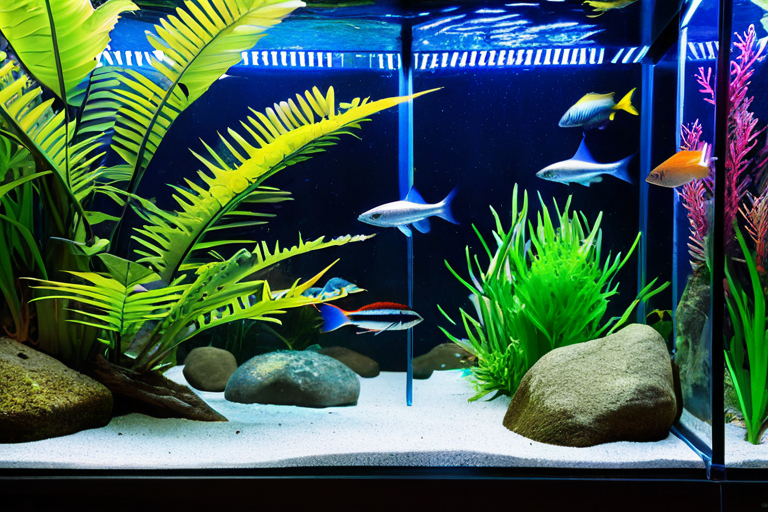
The beauty of freshwater systems lies in their versatility. You can create anything from a simple community tank with peaceful species like tetras and guppies to specialized biotopes that replicate specific natural environments. The key to success, as noted by the Aquarium Co-Op, is understanding the nitrogen cycle and maintaining stable water parameters.
Community Tank Setup
Community tanks combine multiple compatible species in one aquarium. This approach allows for diverse colors, behaviors, and swimming patterns. Popular community fish include:
- Neon Tetras - Schooling fish that add vibrant color
- Corydoras Catfish - Bottom dwellers that help clean substrate
- Guppies - Livebearers with endless color variations
- Angelfish - Graceful centerpiece fish for larger tanks
Saltwater Marine Aquariums: The Ocean in Your Home
For those seeking greater challenge and reward, saltwater aquariums offer unparalleled beauty and diversity. Marine systems require more precise water chemistry management but reward keepers with stunning coral displays and exotic fish species.
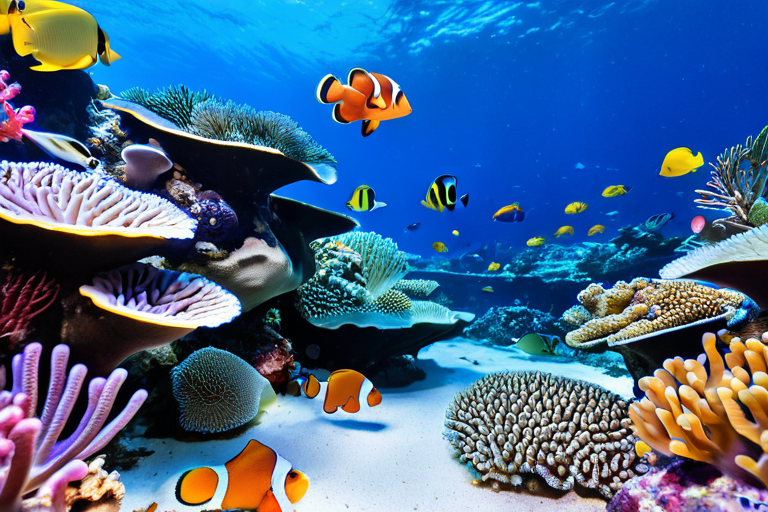
As explained by Reef2Reef, successful marine keeping depends on several critical factors:
Water Quality Management
Saltwater systems demand strict attention to specific gravity (1.023-1.025), pH (8.1-8.4), and calcium/alkalinity levels. Regular testing and water changes are essential for maintaining coral health and fish vitality.
Filtration Systems
Marine aquariums typically employ multiple filtration methods:
- Protein Skimmers - Remove organic waste before decomposition
- Live Rock - Natural biological filtration and habitat
- Refugiums - Grow macroalgae to consume excess nutrients
Planted Aquariums: Living Art Underwater
Planted tanks combine aquatic horticulture with fish keeping, creating self-sustaining ecosystems that are both beautiful and functional. These systems, often called "nature aquariums," follow principles established by legendary aquascaper Takashi Amano.
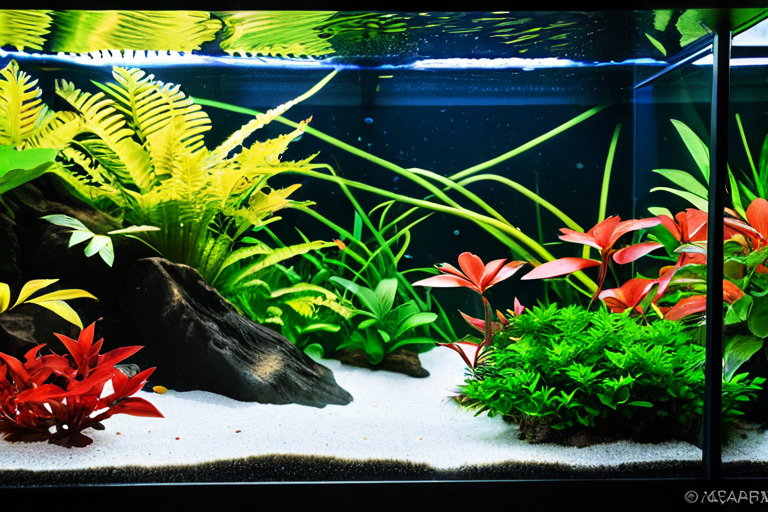
According to the Aquascaping Love community, successful planted aquariums require careful consideration of several elements:
Substrate and Fertilization
Nutrient-rich substrates provide essential minerals for plant growth. Many aquascapers use specialized planted tank substrates that release nutrients slowly while maintaining stable pH levels.
Lighting Requirements
Different plant species have varying light needs. Low-light plants like Java Fern and Anubias thrive with minimal lighting, while carpeting plants like Dwarf Hairgrass require high-intensity lighting for proper growth.
CO2 Injection
Carbon dioxide supplementation dramatically improves plant growth and health. Pressurized CO2 systems allow precise control, while liquid carbon alternatives work well for low-tech setups.
Specialized Aquarium Systems
Beyond the standard setups, several specialized aquarium types cater to specific interests and species requirements.
Brackish Water Aquariums
Brackish systems bridge the gap between freshwater and saltwater, housing species that inhabit estuaries and mangrove swamps. Popular brackish fish include:
- Figure 8 Pufferfish - Intelligent and personable
- Mono Fish - Silver-bodied schoolers
- Archerfish - Known for shooting water at insects
Species-Only Tanks
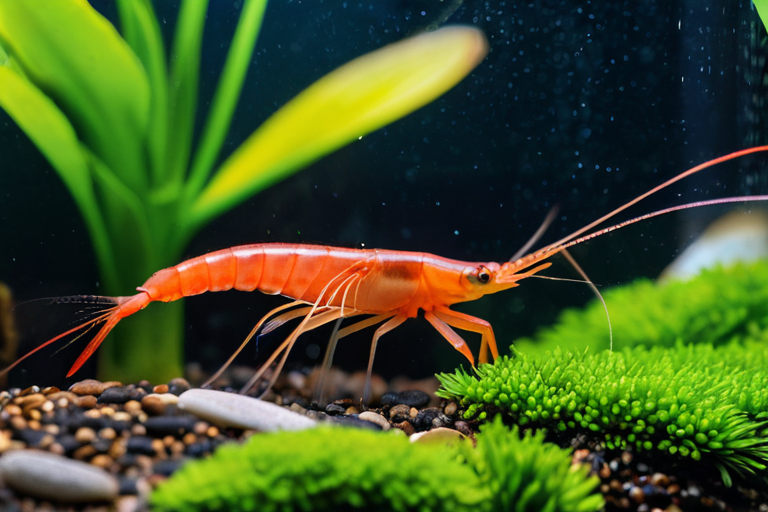
Some fish species thrive best in single-species environments. Cichlid tanks, betta sororities, and shrimp-only aquariums allow focused care and breeding opportunities.
Nano Aquariums
Small-scale aquariums (under 10 gallons) have gained popularity for their space efficiency. While challenging to maintain stable parameters, nano tanks work well for:
- Single betta fish with appropriate heating and filtration
- Shrimp colonies with moss and small plants
- Micro rasboras and small tetra species
Essential Equipment for All Aquarium Types
Regardless of your chosen method, certain equipment forms the foundation of successful aquarium keeping.
Filtration Systems
Proper filtration is non-negotiable. The Aquarium Source recommends three-stage filtration:
- Mechanical - Removes physical debris
- Biological - Converts toxic ammonia to nitrate
- Chemical - Removes dissolved impurities
Heating and Temperature Control
Most tropical fish require stable temperatures between 74-82°F (23-28°C). Submersible heaters with thermostats provide reliable temperature regulation.
Lighting Systems
Modern LED lighting offers energy efficiency, programmable settings, and spectrum control tailored to different aquarium types.
Advanced Techniques and Maintenance
Experienced aquarists often implement advanced techniques to enhance their aquarium's health and appearance.
Water Change Strategies
Regular water changes remain the most effective maintenance practice. The general recommendation is 10-25% weekly, though specific needs vary by bioload and filtration capacity.
Quarantine Procedures
Establishing a separate quarantine tank prevents disease introduction to your main aquarium. All new fish should undergo a 2-4 week observation period before introduction.
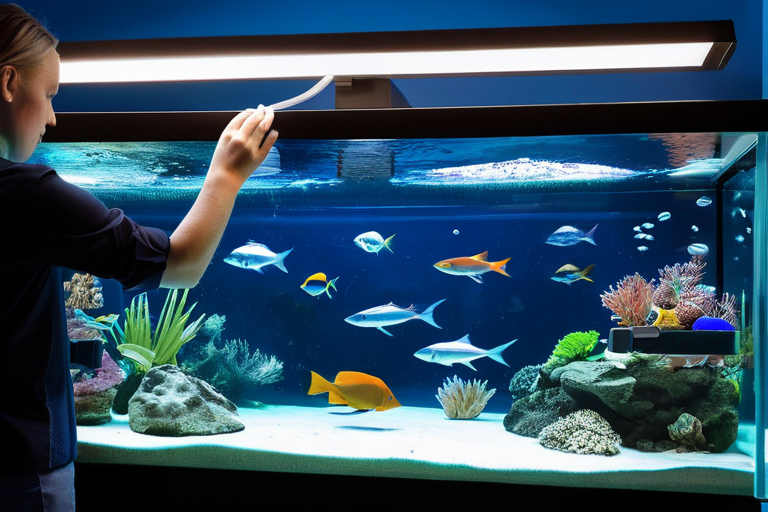
Automation Systems
Modern aquarium keeping embraces automation through:
- Automatic feeders for consistent feeding schedules
- Dosing pumps for precise nutrient and mineral addition
- Smart controllers that monitor and adjust parameters
Choosing Your Path in Aquarium Keeping
The diversity of home aquarium methods means there's a perfect setup for every interest and skill level. Beginners might start with a simple freshwater community tank, while experienced hobbyists might pursue specialized marine reef systems or intricate planted aquascapes.
Remember that successful aquarium keeping combines scientific understanding with artistic expression. Regular observation, patience, and continuous learning will ensure your aquatic endeavors thrive. Each method offers unique rewards, from the vibrant colors of marine fish to the tranquil beauty of a planted nature aquarium.
Key Takeaways
- Start with appropriate research and equipment for your chosen method
- Maintain consistent water parameters through regular testing
- Choose fish and plants compatible with your setup and experience level
- Join online communities for ongoing support and knowledge sharing
- Enjoy the journey - aquarium keeping is both science and art