Best Fishing Kayaks: Your Ultimate Guide to Angling Adventures
Fishing from a kayak isn't just a hobby—it's a lifestyle. The gentle rocking of the water, the quiet approach to your favorite fishing spot, and the thrill of the catch all combine to create an experience that's hard to beat. But with so many options on the market, choosing the right fishing kayak can feel overwhelming. This comprehensive guide will walk you through everything you need to know to find your perfect fishing companion.
Why Kayak Fishing is Taking Over
According to the American Canoe Association, kayak fishing has seen a 30% increase in participation over the last five years. The appeal is clear: kayaks offer access to waters that larger boats can't reach, they're more affordable than traditional fishing boats, and they provide a connection with nature that's hard to replicate from shore.
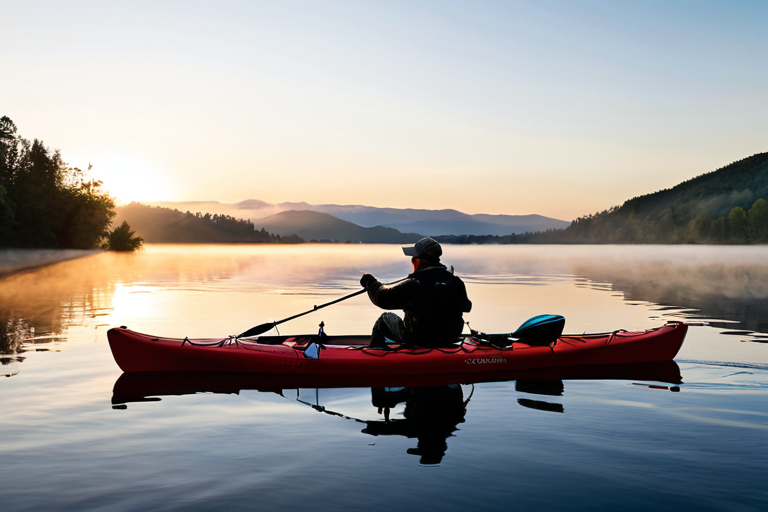
The serenity of kayak fishing offers anglers unique access to untouched waters
Types of Fishing Kayaks: Finding Your Fit
Sit-On-Top Kayaks
These are the most popular choice for fishing, and for good reason. As noted by Outdoor Life, sit-on-top kayaks offer superior stability and easier re-entry if you happen to take an unexpected swim. They're self-bailing, meaning water drains through scupper holes, and they typically offer more storage space for gear.
Sit-Inside Kayaks
While less common for fishing, sit-inside kayaks excel in colder climates. They provide better protection from the elements and can be more efficient to paddle. REI's expert guides recommend them for anglers who fish in cooler temperatures or rougher waters.
Inflatable Kayaks
Don't let the "inflatable" label fool you—modern fishing kayaks from brands like Sea Eagle and Advanced Elements are incredibly durable. They're perfect for anglers with limited storage space or those who need to travel to remote fishing locations.
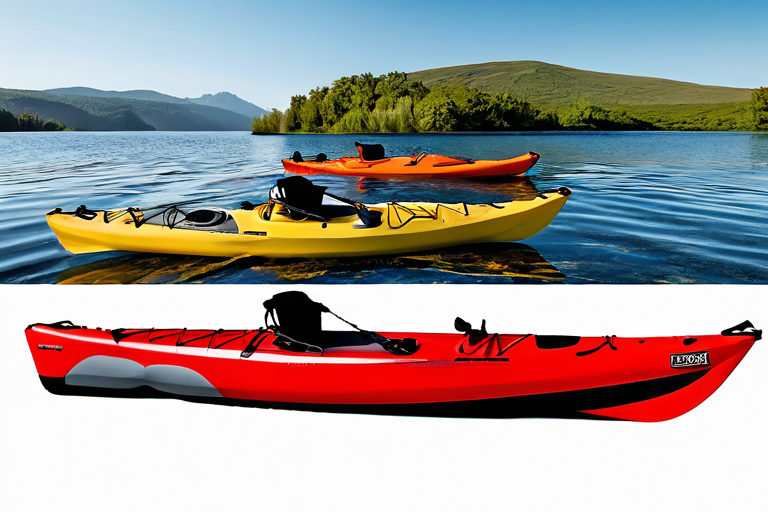
Understanding different kayak designs helps anglers choose the right tool for their fishing style
Top Fishing Kayak Brands and Models
Hobie Mirage Pro Angler 14
Often called the "Cadillac of fishing kayaks," the Hobie Mirage Pro Angler 14 features the revolutionary MirageDrive pedal system that leaves your hands free for fishing. According to Field & Stream's 2023 gear review, this kayak sets the standard for fishing-specific features, including multiple rod holders, a large front hatch, and incredible stability.
Old Town Sportsman AutoPilot 136
This kayak made waves in the fishing community with its integrated Minn Kota trolling motor and Spot-Lock technology. Bass Pro Shops' fishing experts praise its hands-free operation and GPS capabilities that allow anglers to hold position in currents or wind.
Vibe Shearwater 125
For anglers seeking versatility, the Vibe Shearwater 125 offers a modular rail system that lets you customize your setup. It can be configured as a paddle kayak, pedal kayak, or even a motorized kayak, making it adaptable to different fishing conditions.
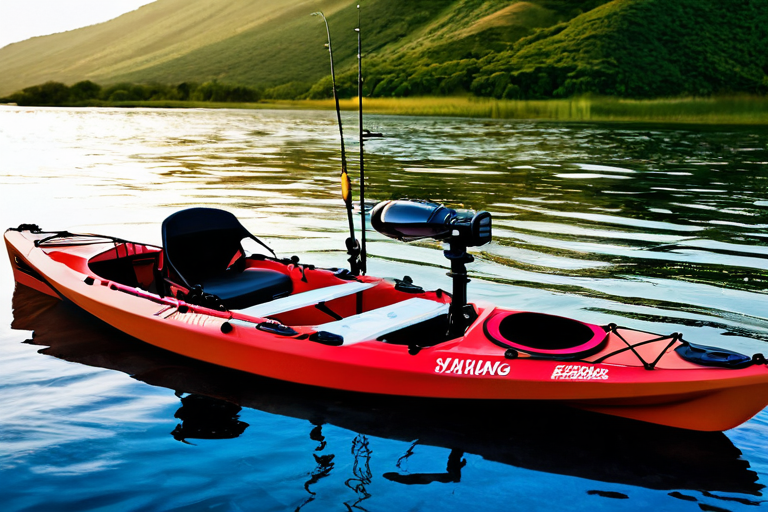
High-end fishing kayaks come equipped with features designed specifically for serious anglers
Essential Features for Fishing Kayaks
Stability: The Foundation of Fishing Success
A stable kayak isn't just comfortable—it's safe. Look for kayaks with wide beams (typically 32-36 inches) and flat hulls. The U.S. Coast Guard's boating safety guidelines emphasize stability as a critical factor, especially when standing to cast or fight fish.
Storage Solutions
Fishing requires gear, and lots of it. Quality fishing kayaks feature:
• Watertight hatches for electronics and dry storage
• Bungee cords and gear tracks for securing equipment
• Rod holders (at least 2-3, with some models offering 6+)
• Cooler wells or insulated storage for your catch
Comfort is King
You might spend 8+ hours in your kayak, so comfort matters. Look for adjustable seats with lumbar support, padded thigh braces, and adjustable footrests. As noted in Kayak Angler Magazine's buyer's guide, a comfortable seat can make the difference between a great day on the water and a miserable one.
Propulsion Systems: Paddle vs. Pedal vs. Motor
Paddle Kayaks: Traditional and affordable, but require you to put down your rod to move.
Pedal Kayaks: More expensive but offer hands-free operation. Hobie's MirageDrive and Native Watercraft's Propel are industry leaders.
Motorized Kayaks: The new frontier, offering trolling motor integration for effortless movement and spot-locking capabilities.
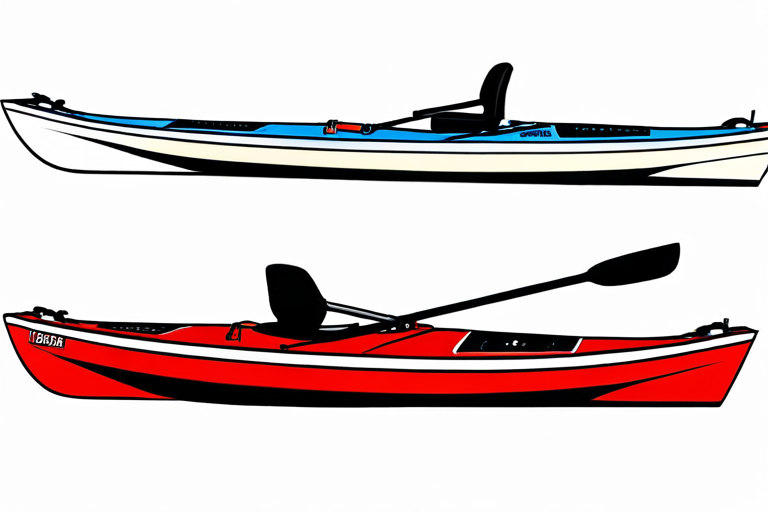
Modern fishing kayaks offer various propulsion options to suit different fishing styles and budgets
Safety Considerations Every Angler Should Know
Safety should always be your top priority. The American Canoe Association recommends:
1. Always wear a properly fitted PFD (Personal Flotation Device)
2. File a float plan with someone on shore
3. Check weather conditions before heading out
4. Carry a whistle or other sound-producing device
5. Use a leash for your paddle and fishing rods
6. Consider installing a kayak anchor system for stability while fishing
Budget Considerations: Getting the Most for Your Money
Fishing kayaks range from $300 for basic models to over $5,000 for fully-equipped premium kayaks. According to Consumer Reports' 2023 analysis, mid-range kayaks ($800-$1,500) typically offer the best value, providing essential fishing features without breaking the bank.
The Future of Kayak Fishing
Technology continues to transform kayak fishing. We're seeing more integration with fish finders, GPS systems, and even solar-powered accessories. Companies like Garmin and Lowrance now offer specifically designed units for kayak anglers, complete with mapping software and side-scanning sonar.
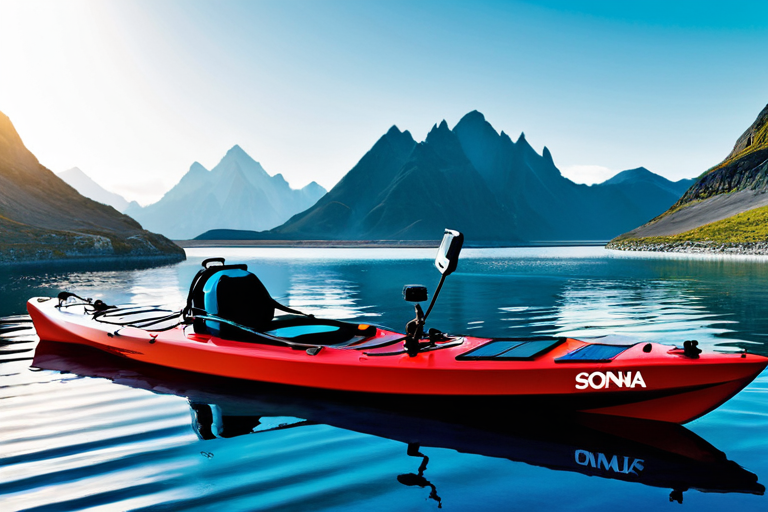
Emerging technologies are making kayak fishing more efficient and productive than ever before
Making Your Decision: Final Thoughts
Choosing the best fishing kayak ultimately comes down to your specific needs, fishing style, and budget. Consider where you'll fish most often (lakes, rivers, or ocean), what species you're targeting, and how much gear you need to bring along.
Remember that the best kayak is the one you'll use regularly. Test different models if possible, talk to other kayak anglers, and don't be afraid to start with a more basic model and upgrade as your skills and needs evolve.
Whether you're chasing bass in a quiet lake or battling salmon in coastal waters, the right fishing kayak can transform your angling experience. Take your time, do your research, and get ready to embark on fishing adventures you never thought possible from a small craft.